


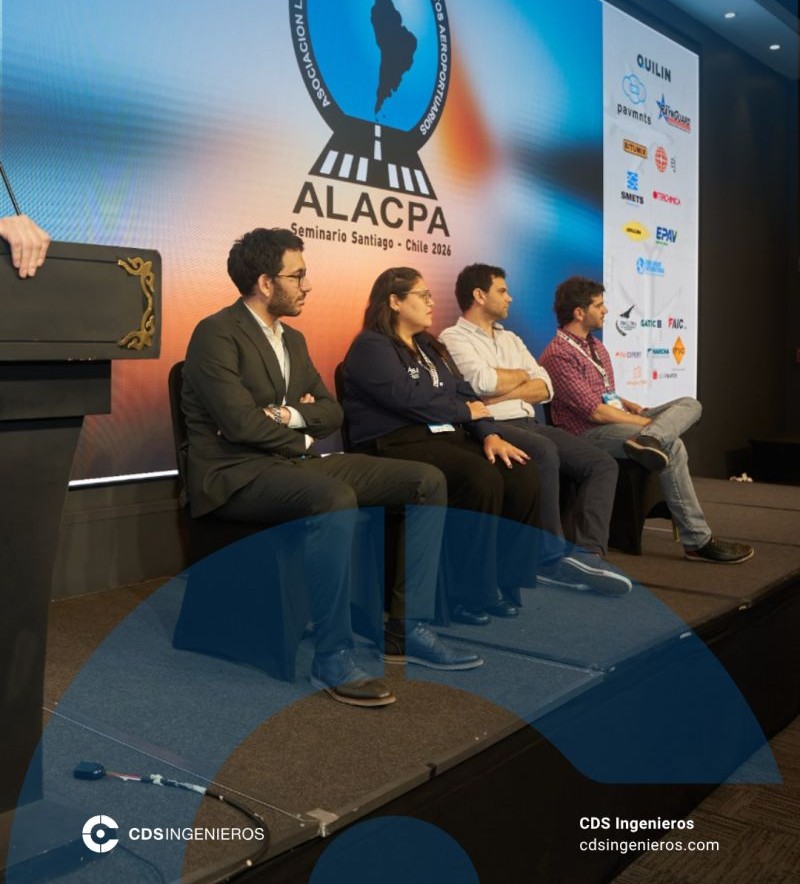
We took part in the 22nd ALACPA Airport Pavements Seminar, held in Chile, where we shared our experience mapping the structural condition of Uruguay’s international airport pavements.
The presentation covered the work carried out to determine the ACR/PCR rating of each airport, under the new ICAO standard requiring pavement strength to be reported using these ratings. The survey covered runways, taxiways and aprons, using FWD and HWD deflection equipment followed by backcalculation engineering.
The ALACPA seminar brings together specialists from across Latin America each year and is a key forum for exchanging experience on the construction, maintenance and evaluation of airport pavements.
We thank ALACPA for organizing the event and everyone who took part in the exchange.
Learn more about our Pavement Design and Evaluation services.
At CDS Ingenieros we have successfully passed our surveillance audit and maintain our ISO 9001:2015 certification across all our processes.
This result reflects the commitment, technical rigor and daily work of our entire team. We see quality as an ongoing commitment to continuous improvement, guiding how we plan, develop and manage each of our engineering projects in order to deliver reliable, high-value solutions for our clients.
We thank everyone at CDS for their dedication, and our clients for the trust they place in us to address their challenges with sound technical solutions and a firm commitment to quality.
Learn more about us on our About Us page.
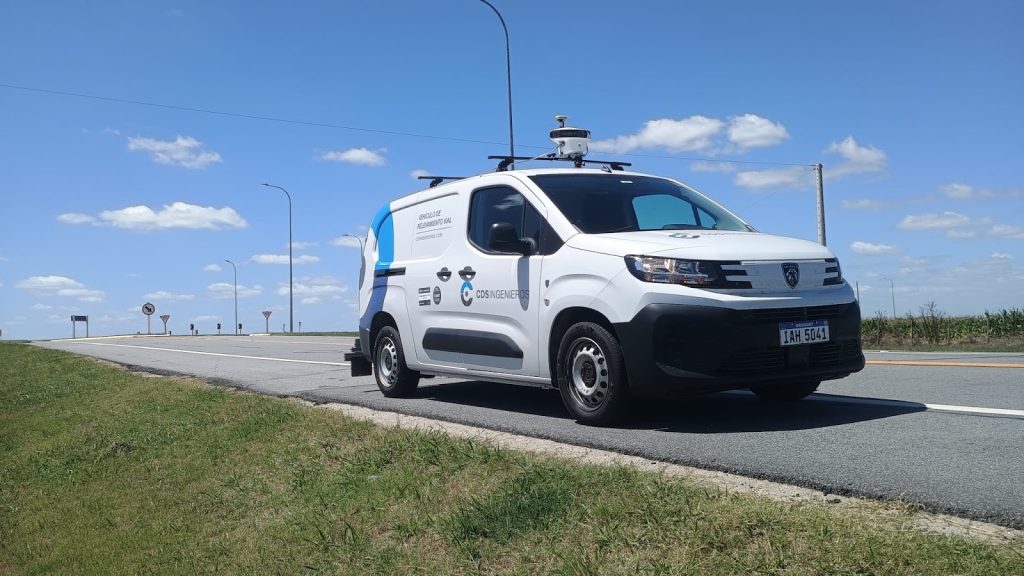
At CDS Ingenieros we have added VIAPIX, our own high-performance integrated road survey system. With this equipment we expand our pavement evaluation services and bring functional, structural and georeferenced data for each road together in a single workflow, delivering more accurate diagnoses.
All measurements are taken at traffic speed, up to 90 km/h, without disrupting traffic.
The system is already in use. We used IRI measurements to validate the asphalt paving of a section of National Route 7, between chainages 165K100 and 172K300, for H&G. We also carried out the surface condition survey of Circuit 3 (Route 14) between Mercedes and Sarandí del Yí for Circuito Vial Tres S.A.: 232 km of road, or 464 lane-km.
Together with our FWD falling weight deflectometer and the country’s first HWD, VIAPIX completes our integrated pavement evaluation capabilities: structure, surface and road inventory in a single diagnosis, to better plan maintenance and investment.
Learn more about our Pavement Design and Evaluation services.
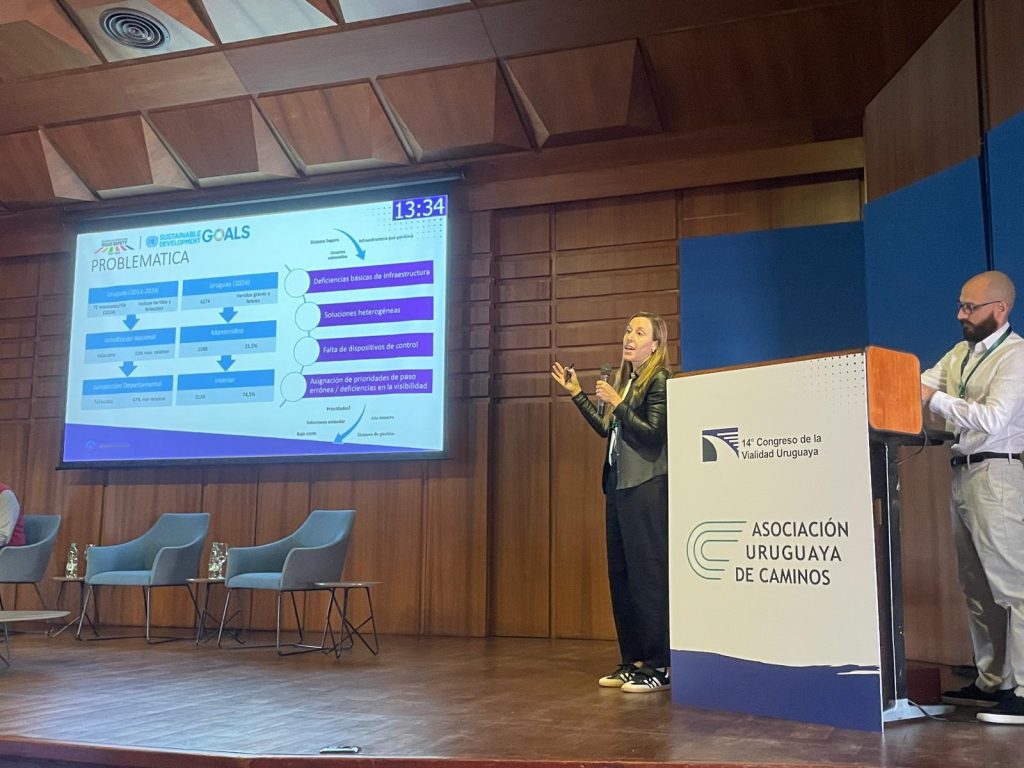
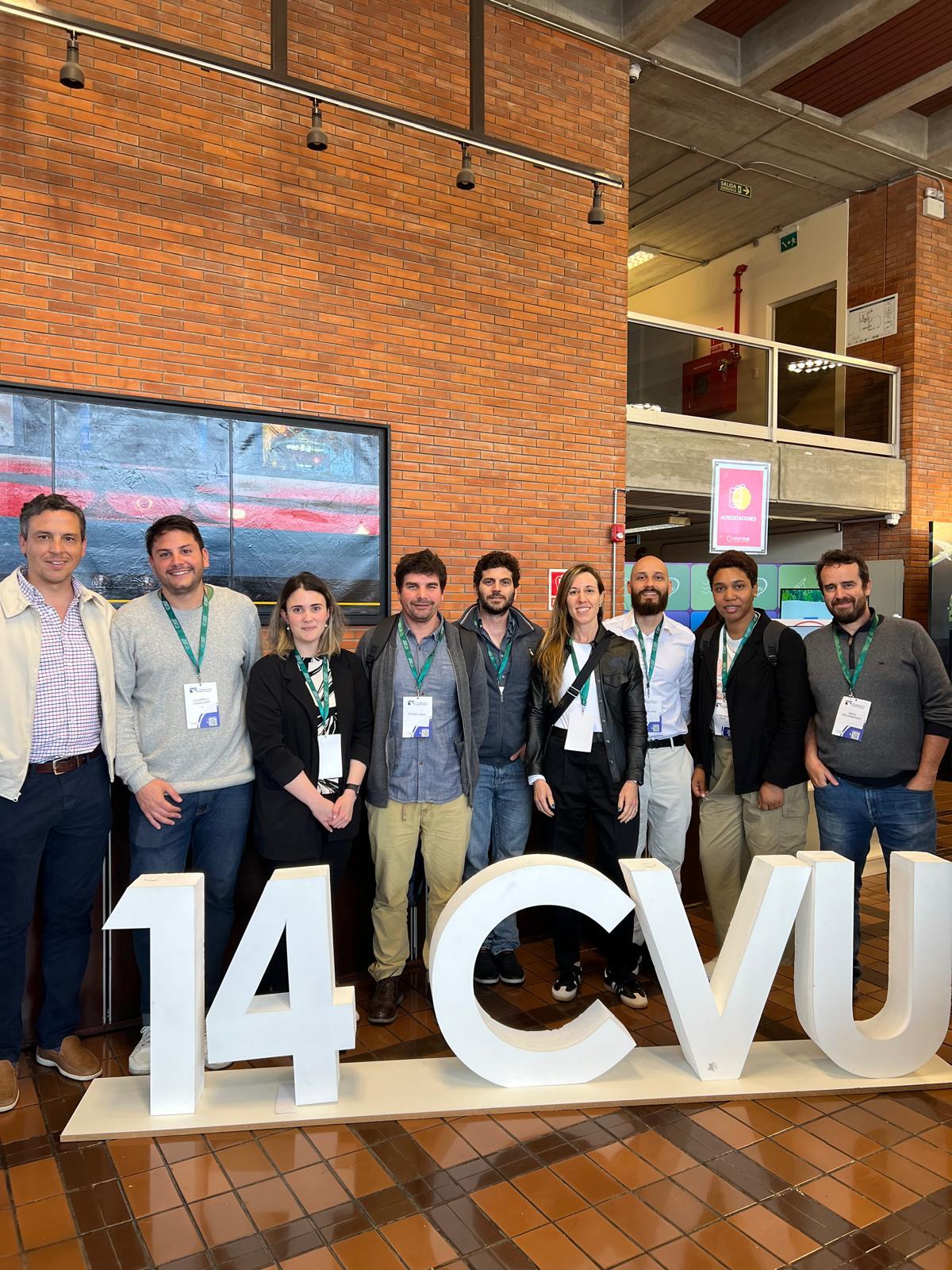
We presented our Methodology for Prioritizing Interventions at Urban Road Crash Hotspots at the 14th Uruguayan Road Congress, organized by the Uruguayan Road Association. The presentation was given by Eng. Silvina Frajmowicz, project manager, and Eng. Juan Del Real, design engineer, in the Road Safety technical sessions.
The work is framed within the goals of the Decade of Action for Road Safety and aims to provide a tool that turns international commitments into local results. It focuses on departmental governments in the interior of the country, where roughly half of Uruguay’s road crashes occur.
The methodology draws on open data (UNASEV, INE and the national Geoportal) and tools such as QGIS, applying weighted multi-criteria prioritization to identify where intervention will have the greatest impact. At those sites the infrastructure is audited to determine the countermeasures to implement, and results feed back to assess the effectiveness of each intervention.
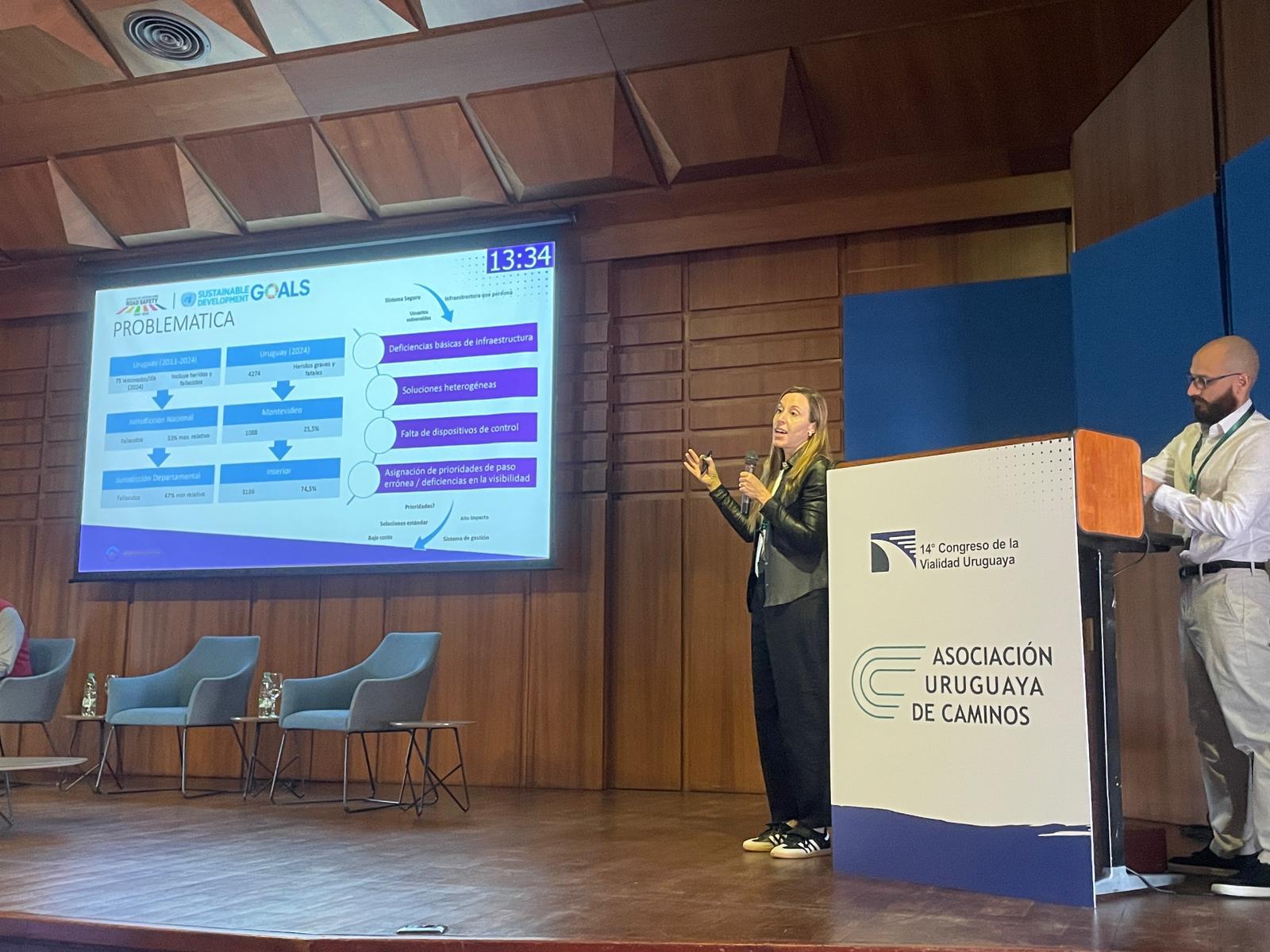
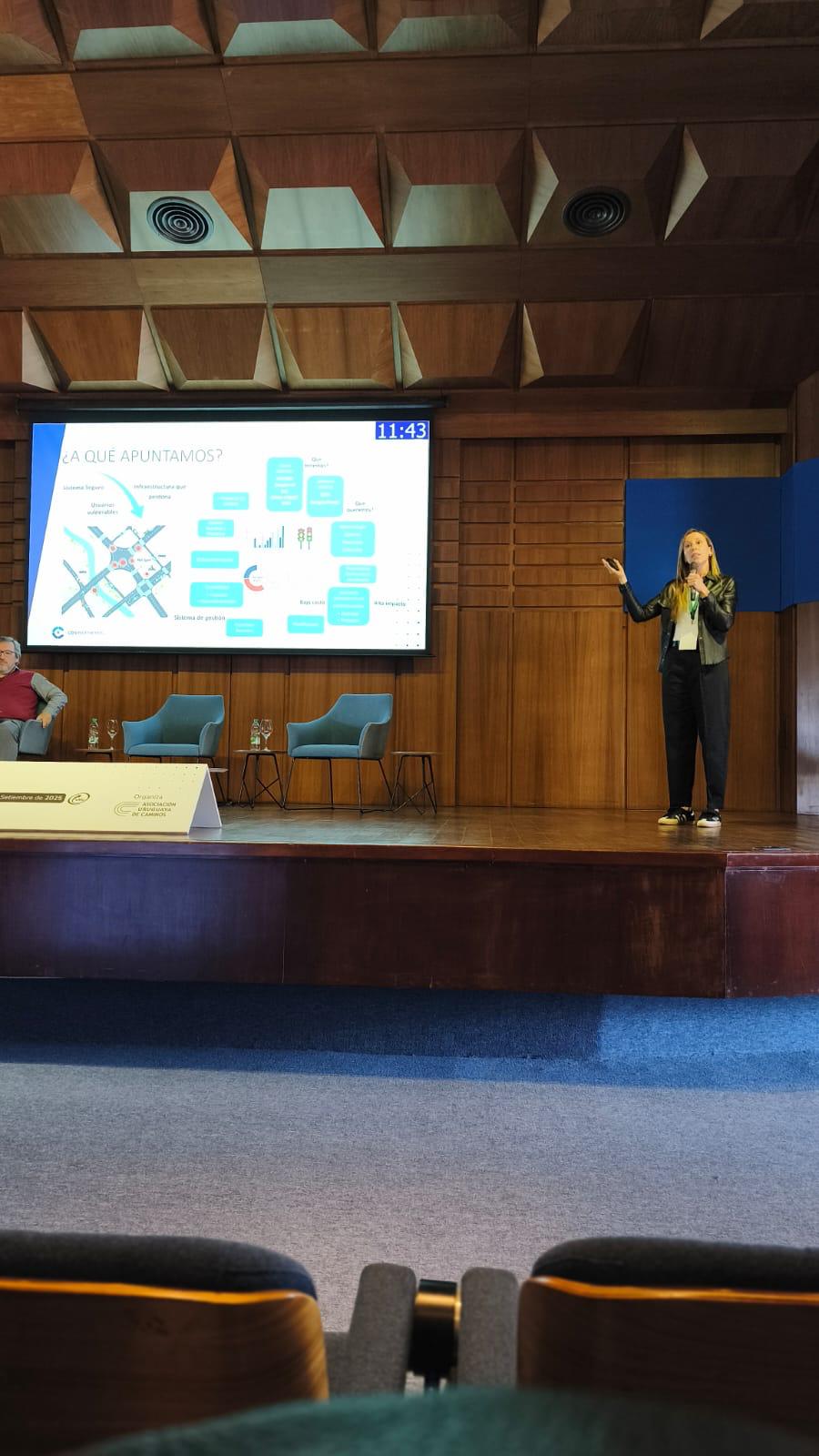
An area with 31 intersections was assessed, of which the 11 highest-priority ones were audited. The pilot showed that the methodology is feasible with available resources and has strong potential for nationwide rollout.
Learn more about our Road Safety and Signage services.
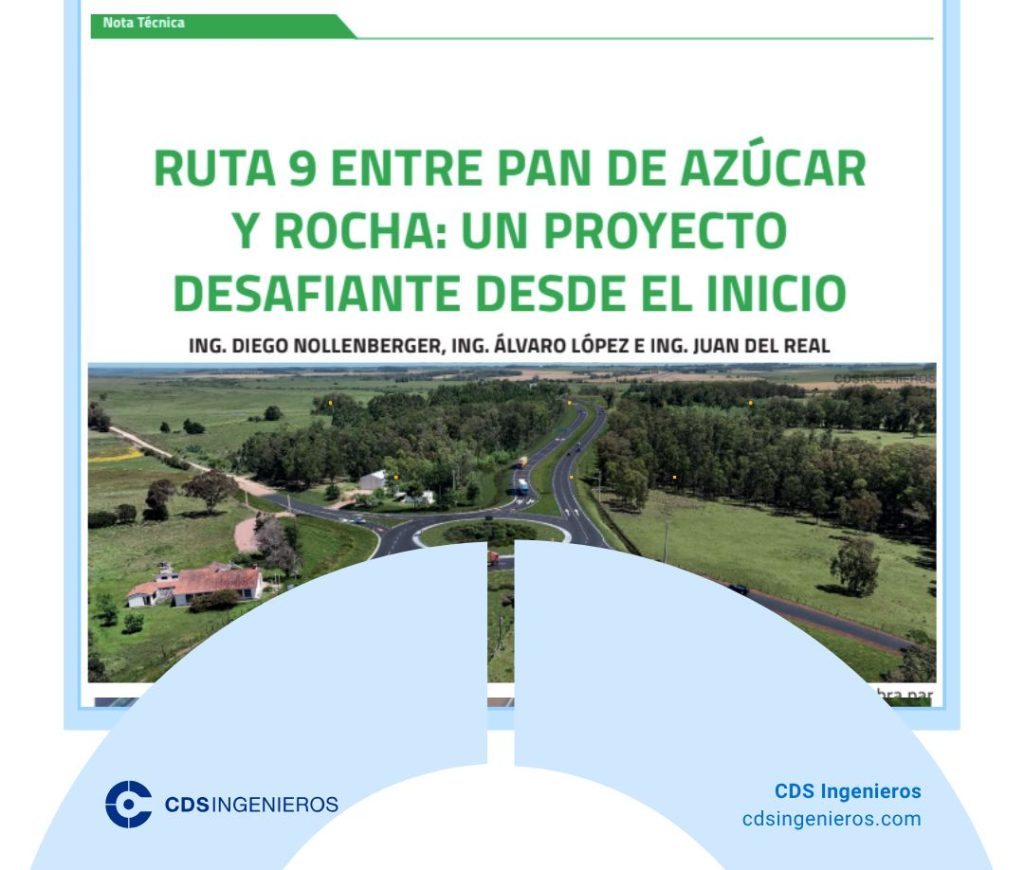
This year we once again had the pleasure of sharing an article in another issue of “Caminos”, the official magazine of the Uruguayan Road Association. In this edition, our engineers Diego Nollenberger, Álvaro López and Juan Del Real discuss the challenges of a transformative project: the dualization of National Route 9.
Read the article here: 🚧 Route 9: A Transformative Project 🚧
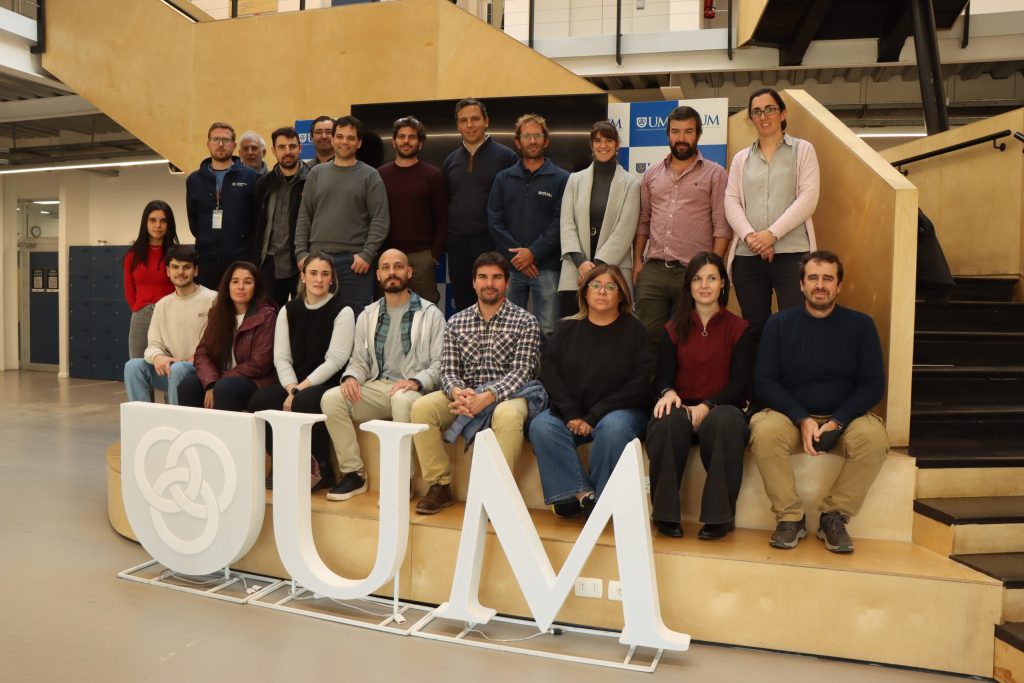
As part of the technical seminar organized by the Bitafal Sustainable Asphalts Chair – UM, we participated with a presentation focused on the Structural Evaluation of Flexible Pavements based on data obtained through deflectometric testing.
During the presentation, we covered the fundamentals of deflectometric analysis and the technical criteria used for interpreting results—key tools for the structural assessment of pavements using Falling Weight Deflectometers (FWD/HWD).
The activity also included a live demonstration of pavement testing equipment, allowing attendees to closely observe their operation and understand the value they bring to decision-making in pavement maintenance and rehabilitation.
🙌 We thank the Faculty of Engineering at Universidad de Montevideo and Bitafal for the invitation, and all attendees for their interest and active participation.
🔗 View the post on LinkedIn: El futuro de los pavimentos se construye con conocimiento compartido
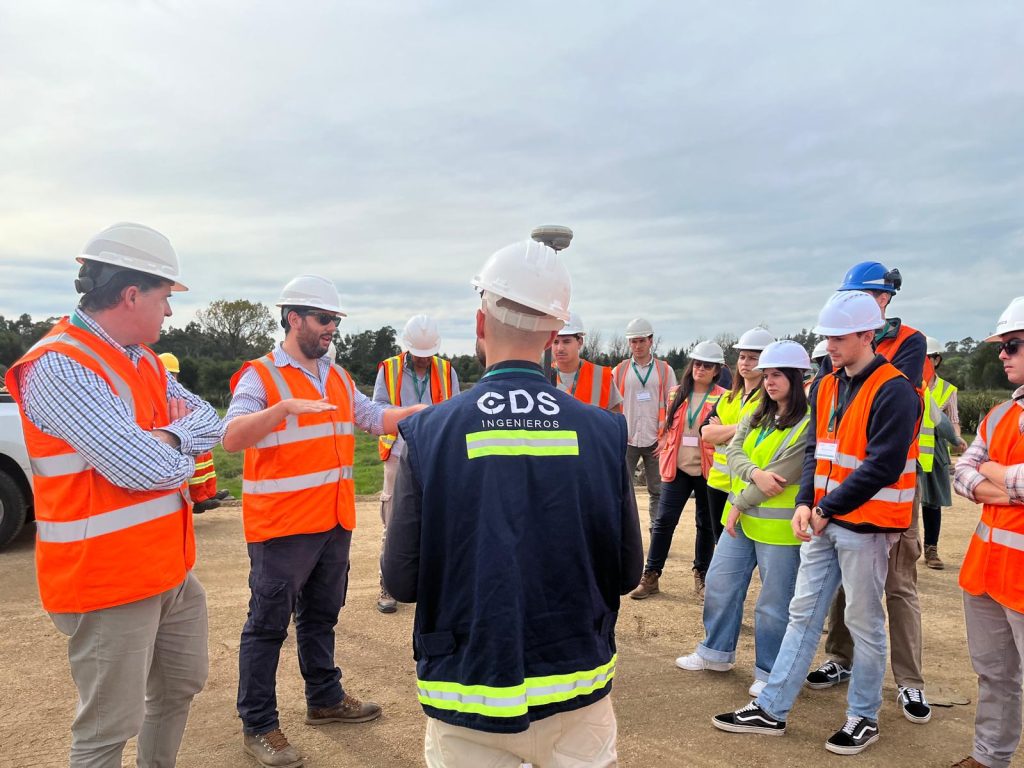
We took part in the technical visit to the dual carriageway project on Route 9, connecting Pan de Azúcar and Rocha. The event was organized by Traxpalco and the Uruguayan Road Association, together with students from the Faculty of Engineering. 🎊
✨️In a month especially dedicated to road safety 🎗️, this project represents a major step forward, significantly improving safety conditions along more than 100 km of road.
🙌 At CDS, we are proud to have contributed to such an important project for the country’s development, and to have shared this experience with the next generation of professionals.

This Tuesday, May 6th, at 12:30 p.m., we were present at the launch of the Yellow May month 🎗️ of activities at the National Youth Institute. This movement in Uruguay aims to raise awareness about road traffic accidents, which remain the leading cause of death among young people aged 15 to 29, according to the WHO (2015).
At CDS, we remain committed to promoting safe practices and sharing essential knowledge with all road users.
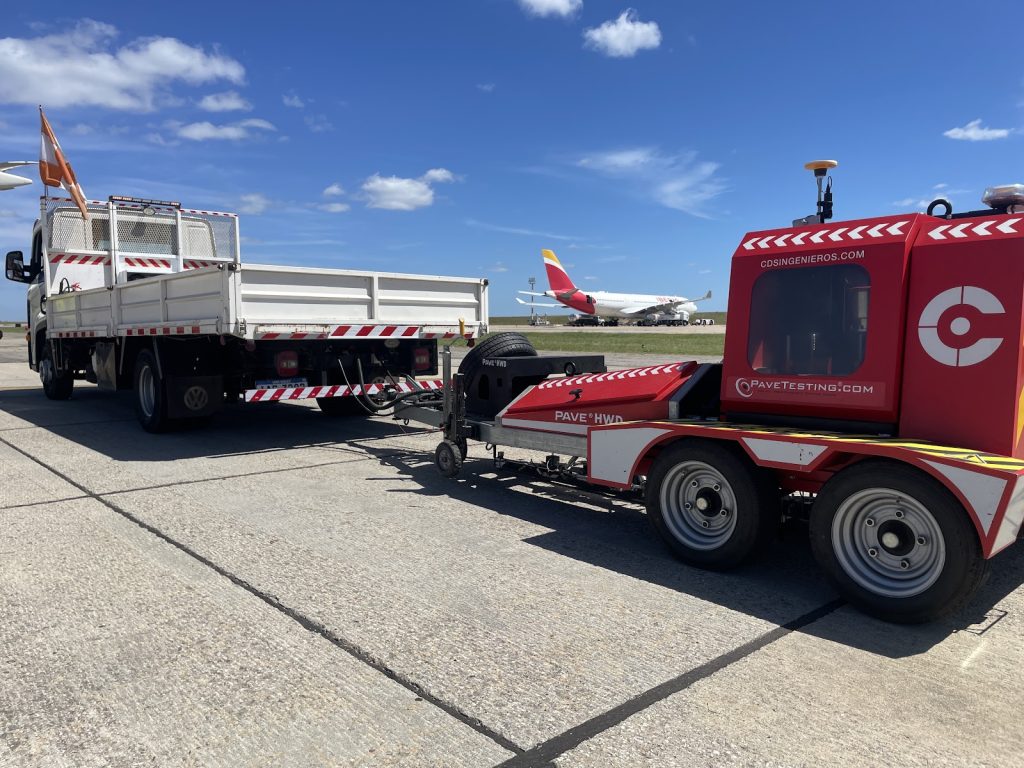
We carried out the full structural survey of the runways, taxiways and aprons of Carrasco International Airport using Uruguay’s first Heavy Weight Deflectometer (HWD 240 kN), in its pioneering application at the country’s main airport.
The HWD is designed to accurately simulate the operating loads of aircraft and heavy vehicles, providing data that better represents how pavements actually behave under high demand.
Using specialized backcalculation software, we determined the ACR/PCR structural ratings, which are essential to assess the integrity of each operational area and ensure an adequate level of service for safe and efficient air operations.
The use of the HWD at Carrasco marks a significant step forward in airport pavement engineering in Uruguay. We thank Aeropuertos Uruguay for their trust and for allowing us to contribute to the continuous improvement of the country’s airport infrastructure.
Learn more about our Pavement Design and Evaluation services.

CDS Ingenieros marks a milestone in pavement evaluation in Uruguay with the incorporation of the country’s first Heavy Weight Deflectometer (HWD) 🚀. This advanced pavement structural evaluation equipment provides precise data on load capacity and surface behavior, revolutionizing the analysis and maintenance of road and airport infrastructure.
The HWD is a state-of-the-art tool that simulates loads applied by aircraft and heavy vehicles ✈️🚛, providing key information for decision-making in pavement design and rehabilitation. Thanks to this technology, CDS Ingenieros strengthens its leadership in pavement engineering, offering innovative solutions backed by scientific data.
The arrival of this equipment in Uruguay represents a significant advancement for the sector, allowing for optimized pavement management and ensuring greater safety and efficiency in communication routes 🛣️. CDS Ingenieros continues to invest in modernization and technological development, reinforcing its commitment to quality and excellence in the field of road and airport infrastructure.